
Introduction
Stress has a sneaky way of showing up everywhere. It affects sleep, cravings, focus, mood, digestion, and even the way your body stores fat. That’s why so many people are turning to a cortisol detox diet as a practical way to feel calmer, more energized, and more balanced in daily life.
Cortisol is often called the “stress hormone,” but it’s not actually the enemy. Your body needs it to regulate energy, blood sugar, inflammation, and alertness. Problems start when stress becomes constant and cortisol stays elevated for too long. The result can feel like running on fumes while still feeling wired.
A thoughtful nutrition plan can help support healthier cortisol patterns naturally. Instead of extreme cleanses or restrictive trends, this approach focuses on steady blood sugar, nutrient-rich foods, better sleep habits, and stress-friendly routines. The goal is to help your body recover from chronic stress while improving overall well-being.
Whether you’re struggling with afternoon crashes, emotional eating, stubborn belly fat, or poor sleep, understanding how food influences stress hormones can make a meaningful difference.

Understanding Cortisol and Why It Matters
Cortisol is a hormone produced by the adrenal glands. It plays a major role in the body’s stress response and follows a natural rhythm throughout the day. Normally, cortisol rises in the morning to help you wake up and gradually declines at night so you can rest.
When stress becomes chronic, the body can remain in a heightened state of alertness. Over time, elevated cortisol levels may contribute to:
- Increased appetite and sugar cravings
- Difficulty sleeping
- Brain fog and fatigue
- Weight gain around the midsection
- Irritability and mood swings
- High blood pressure
- Digestive discomfort
- Reduced immune function
Many people search for quick fixes, but true hormonal balance usually comes from consistent daily habits. A cortisol detox diet works by reducing stress triggers in the body while providing nutrients that support nervous system recovery.
Signs Your Stress Hormones May Be Out of Balance
While only a healthcare professional can properly assess hormone issues, some common signs of prolonged stress include:
- Feeling tired but unable to relax
- Depending heavily on caffeine
- Waking up during the night
- Craving salty or sugary foods
- Feeling overwhelmed easily
- Trouble concentrating
- Frequent headaches or muscle tension
These symptoms don’t always point directly to cortisol problems, but they often reflect a nervous system under pressure.
How a Cortisol Detox Diet Supports the Body
The term “detox” can sound extreme, but in this context it simply means supporting the body’s natural ability to recover from stress overload. A cortisol detox diet focuses on reducing inflammation, stabilizing blood sugar, and nourishing the adrenal system.
Unlike crash diets, this approach encourages sustainable eating patterns. Restrictive plans often increase stress hormones further because the body interprets starvation as another form of stress.
Stabilizing Blood Sugar Levels
Blood sugar swings are one of the biggest triggers for cortisol spikes. When blood sugar drops too low, the body releases cortisol to raise it again. This can create a cycle of cravings, energy crashes, and irritability.
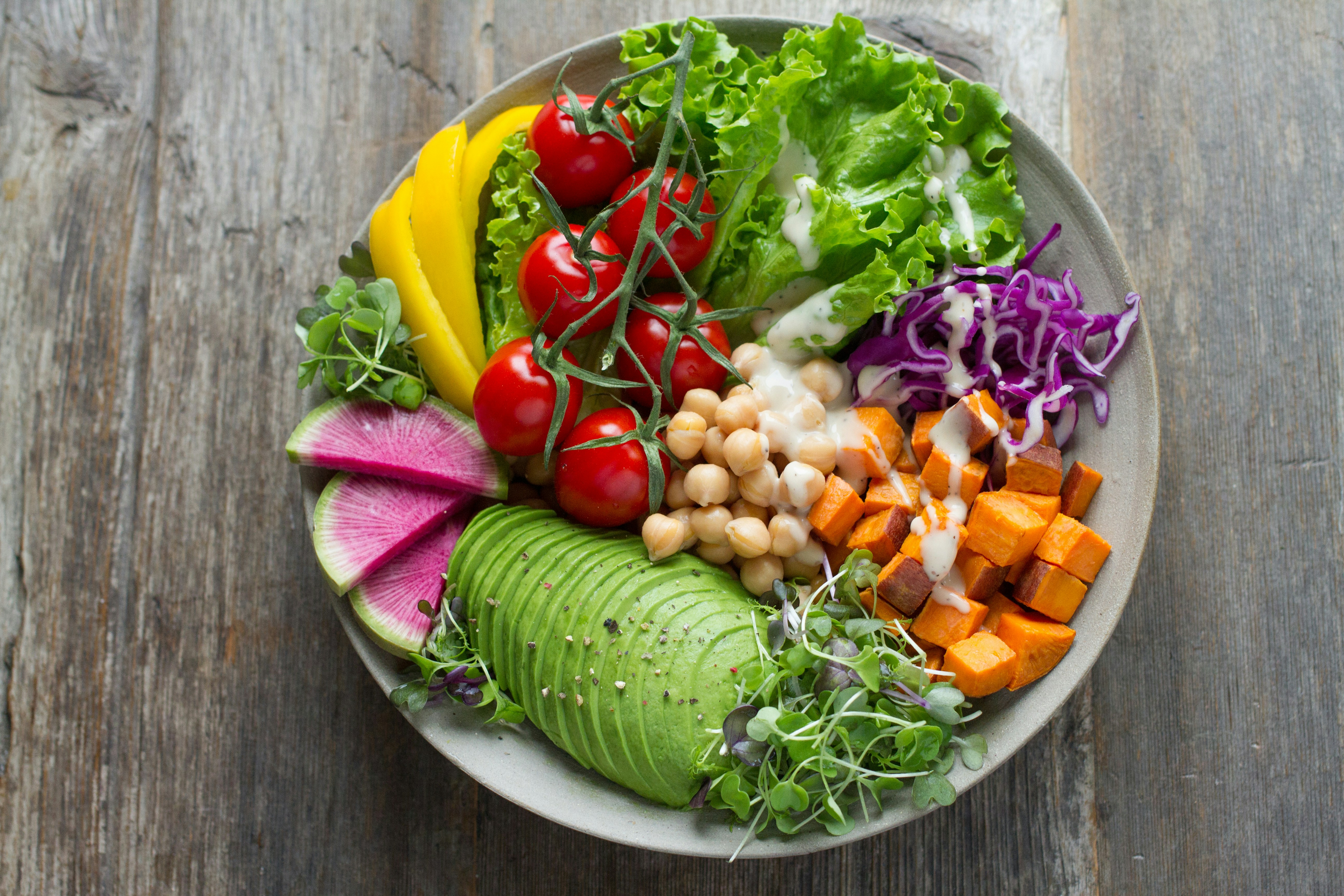
Balanced meals containing protein, fiber, and healthy fats help maintain steady energy levels throughout the day.
Examples of balanced meals include:
- Eggs with avocado and whole-grain toast
- Greek yogurt with berries and chia seeds
- Salmon with quinoa and roasted vegetables
- Lentil soup with olive oil and leafy greens
Reducing Inflammation Through Food
Chronic inflammation can place additional stress on the body. Anti-inflammatory foods provide antioxidants and nutrients that support recovery.
Some of the best anti-inflammatory foods include:
- Berries
- Leafy greens
- Olive oil
- Fatty fish
- Nuts and seeds
- Green tea
- Turmeric
- Sweet potatoes
These foods may help reduce oxidative stress while supporting overall metabolic health.
Best Foods to Include in a Cortisol Detox Diet
Food quality matters more than perfection. The goal is not to eliminate every indulgence but to build meals around nourishing ingredients that support hormonal balance.
Magnesium-Rich Foods
Magnesium is often called nature’s relaxation mineral. It supports muscle recovery, sleep quality, and nervous system function.
Foods high in magnesium include:
- Pumpkin seeds
- Spinach
- Almonds
- Black beans
- Dark chocolate
- Cashews
- Avocados
Low magnesium levels are surprisingly common, especially in people dealing with chronic stress.
Healthy Fats for Hormone Support
Hormones rely on healthy fats for proper production and communication within the body. Fear of fat often leads people to rely heavily on processed carbohydrates, which can worsen cortisol swings.
Healthy fat sources include:
- Extra virgin olive oil
- Walnuts
- Flaxseeds
- Chia seeds
- Salmon
- Sardines
- Avocados
These foods also support brain health and help improve satiety.

Protein to Prevent Energy Crashes
Protein helps stabilize blood sugar while supporting neurotransmitter production. Many people skip protein at breakfast and end up craving sugar by midmorning.
Good protein choices include:
- Eggs
- Chicken
- Tofu
- Cottage cheese
- Lentils
- Turkey
- Greek yogurt
- Fish
Aim to include protein at every meal for better energy regulation.
Complex Carbohydrates That Calm the Nervous System
Not all carbohydrates are harmful. In fact, complex carbohydrates can support serotonin production and promote feelings of calmness.
Better carbohydrate choices include:
- Oats
- Brown rice
- Quinoa
- Sweet potatoes
- Beans
- Whole-grain bread
- Barley
These foods digest more slowly and provide longer-lasting energy.
Foods and Habits That Can Raise Cortisol
Some foods and lifestyle patterns may place additional stress on the body. While occasional treats are completely normal, consistently relying on these habits can interfere with recovery.
Excessive Caffeine
Coffee affects everyone differently. Moderate amounts may be fine for some people, but too much caffeine can overstimulate the nervous system.
Signs you may be overdoing caffeine include:
- Feeling jittery
- Increased anxiety
- Afternoon crashes
- Sleep problems
- Racing heartbeat
If you suspect caffeine is affecting stress levels, try reducing intake gradually instead of quitting suddenly.
Highly Processed Foods
Ultra-processed foods are often high in sugar, unhealthy fats, and sodium while lacking important nutrients.
Examples include:
- Sugary cereals
- Soda
- Packaged snacks
- Fast food
- Candy
- Fried foods
These foods can contribute to inflammation and unstable energy patterns.
Skipping Meals
Long periods without eating may increase cortisol because the body perceives a lack of fuel as stress.
People with demanding schedules often skip breakfast or delay meals until they become extremely hungry. This can lead to overeating later and worsen energy fluctuations.
The Connection Between Sleep and Stress Hormones
No nutrition strategy works well without adequate sleep. Cortisol and sleep are deeply connected. Poor sleep can increase cortisol levels, while elevated cortisol can make it harder to sleep.
Improving sleep quality often supports better stress regulation naturally.
Simple Sleep-Supportive Habits
- Keep a consistent bedtime
- Reduce screen exposure before bed
- Avoid heavy meals late at night
- Keep the bedroom cool and dark
- Limit caffeine in the afternoon
- Try calming evening routines like reading or stretching
Many people notice improvements in mood and cravings within days of getting more consistent rest.
Exercise and the Cortisol Detox Diet
Movement is important for stress management, but more exercise is not always better. Intense workouts without enough recovery can sometimes raise cortisol further.
The key is balance.
Best Forms of Stress-Friendly Exercise
Moderate exercise often supports hormonal health more effectively than extreme training.
Helpful forms of movement include:
- Walking
- Yoga
- Pilates
- Swimming
- Cycling
- Strength training with recovery days
- Stretching routines
Even short daily walks can improve mood and reduce tension.
Why Recovery Days Matter
Recovery is when the body repairs itself. Constant high-intensity training may leave the nervous system feeling depleted.
Signs you may need more recovery include:
- Persistent soreness
- Poor sleep
- Irritability
- Declining performance
- Constant fatigue
A healthy cortisol detox diet works best alongside balanced exercise and proper rest.
Hydration and Stress Recovery
Dehydration places physical stress on the body and may contribute to fatigue, headaches, and poor concentration.
Water supports digestion, circulation, energy production, and temperature regulation. Small hydration habits can make a noticeable difference.
Easy Ways to Stay Hydrated
- Start the morning with water
- Carry a reusable water bottle
- Add lemon or cucumber for flavor
- Eat water-rich foods like watermelon and cucumbers
- Limit excessive sugary drinks
Herbal teas can also support relaxation, especially caffeine-free varieties like chamomile or peppermint.
Sample One-Day Meal Plan
A cortisol detox diet doesn’t need to be complicated. The goal is consistency rather than perfection.
Breakfast
Vegetable omelet with spinach, mushrooms, and avocado served with oatmeal and berries.
Mid-Morning Snack
Greek yogurt topped with walnuts and chia seeds.
Lunch
Grilled salmon with quinoa, roasted broccoli, and olive oil dressing.
Afternoon Snack
Apple slices with almond butter.
Dinner
Turkey and vegetable stir-fry with brown rice.
Evening Option
Herbal tea and a small piece of dark chocolate.
This type of meal structure helps provide steady energy throughout the day.
Supplements That May Support Stress Management
Food should always come first, but some supplements may help support overall wellness when combined with healthy habits.
Common options include:
- Magnesium
- Omega-3 fatty acids
- Vitamin D
- Ashwagandha
- Rhodiola
- B-complex vitamins
It’s important to speak with a healthcare provider before starting new supplements, especially if you take medications or have medical conditions.
Emotional Eating and Chronic Stress
Stress eating is incredibly common. Many people crave sugary or high-fat comfort foods during difficult emotional periods because these foods temporarily activate pleasure pathways in the brain.
Unfortunately, the relief is usually short-lived.
A cortisol detox diet encourages awareness rather than guilt. Building balanced meals, improving sleep, and reducing stress often decreases emotional cravings naturally over time.
Practical Strategies for Emotional Eating
- Pause before eating and check your hunger level
- Keep balanced snacks available
- Avoid skipping meals
- Find non-food stress outlets like journaling or walking
- Practice mindful eating without distractions
Progress usually happens gradually, not overnight.
Long-Term Lifestyle Habits for Hormonal Balance
Nutrition matters, but long-term stress recovery also depends on daily routines and emotional well-being.
Build Moments of Calm Into Your Day
Short moments of relaxation can help reset the nervous system.
Examples include:
- Deep breathing exercises
- Meditation
- Stretching breaks
- Time outdoors
- Listening to music
- Connecting with supportive friends
Small habits repeated consistently often create the biggest results.
Reduce Information Overload
Constant notifications, endless scrolling, and nonstop multitasking can keep the brain in a heightened state of alertness.
Setting boundaries with technology may help improve mental clarity and reduce feelings of overwhelm.
Support Gut Health
Emerging research suggests a strong connection between the gut and the brain. Digestive health may influence mood, inflammation, and stress resilience.
Foods that support gut health include:
- Yogurt with live cultures
- Kefir
- Sauerkraut
- Kimchi
- Fiber-rich vegetables
- Beans and legumes
A diverse, balanced diet supports beneficial gut bacteria.
Common Mistakes People Make
Many people unintentionally make stress worse while trying to improve their health.
Over-Restricting Calories
Very low-calorie diets can increase cortisol because the body senses deprivation.
Chasing Quick Fixes
Detox teas, extreme cleanses, and miracle supplements rarely create sustainable change.
Ignoring Mental Health
Nutrition is important, but emotional stress also needs attention. Therapy, counseling, or support groups may provide meaningful benefits.
Expecting Instant Results
Hormonal balance takes time. Most people notice gradual improvements in sleep, mood, and energy over several weeks rather than overnight.
FAQ
What is a cortisol detox diet?
A cortisol detox diet is an eating approach focused on supporting healthy stress hormone balance through nutrient-rich foods, stable blood sugar, hydration, sleep support, and reduced inflammation.
Can certain foods lower cortisol naturally?
Some foods may help support healthier stress responses, especially those rich in magnesium, omega-3 fats, antioxidants, and fiber. Examples include salmon, leafy greens, berries, nuts, and oats.
How long does it take to notice results?
Many people notice changes in energy, sleep, and cravings within a few weeks. Long-term improvements usually depend on consistency with both nutrition and lifestyle habits.
Is caffeine completely off-limits?
Not necessarily. Some people tolerate moderate caffeine well, while others feel more anxious or overstimulated. Listening to your body is important.
Can stress cause weight gain?
Chronic stress may contribute to weight gain through hormonal changes, emotional eating, poor sleep, and increased cravings for highly processed foods.
Are detox products necessary?
Most detox products are unnecessary. The body already has natural detoxification systems involving the liver, kidneys, digestive tract, and skin.
Does exercise help lower stress hormones?
Yes, balanced exercise can support stress management. Moderate movement such as walking, yoga, and strength training often helps improve mood and energy.
What are the best snacks for stress support?
Balanced snacks that combine protein, fiber, and healthy fats work well. Examples include yogurt with berries, nuts, boiled eggs, or apple slices with nut butter.
Conclusion
Managing stress is not about achieving perfection. It’s about creating routines that help your body feel safe, nourished, and supported over time. A cortisol detox diet focuses on realistic habits that encourage stable energy, better sleep, balanced moods, and improved overall wellness.
Instead of relying on extreme cleanses or restrictive trends, prioritize whole foods, consistent meals, hydration, movement, and recovery. Small daily choices can gradually shift the way your body responds to stress.
The most effective approach is one you can maintain long term. By listening to your body and supporting it with nourishing habits, you can build a healthier relationship with stress and create a stronger foundation for lasting well-being.