
Introduction
A glass of milk can feel comforting, nutritious, and familiar—but for some people, it may also trigger bloating, skin flare-ups, or joint discomfort. That’s why so many people are asking the same question: is dairy inflammatory?
The answer isn’t as simple as yes or no. Dairy affects people differently depending on genetics, gut health, allergies, sensitivities, and even the type of dairy they consume. While some individuals feel better after removing dairy from their diet, others experience no problems at all—and may even benefit from certain dairy foods.
Understanding the relationship between dairy and inflammation matters because chronic inflammation has been linked to conditions like arthritis, acne, digestive issues, heart disease, and autoimmune disorders. Knowing how dairy interacts with your body can help you make smarter nutrition choices without falling for myths or social media fearmongering.
In this article, we’ll explore what science really says about dairy and inflammation, which dairy products may cause problems, who should avoid them, and how to tell whether dairy is affecting your own health.
What Does Inflammation Actually Mean?
Inflammation is your body’s natural defense mechanism. When your immune system detects injury, infection, or harmful substances, it responds by releasing chemicals to protect and heal the body.
Acute vs. Chronic Inflammation
Not all inflammation is bad. There are two major types:
- Acute inflammation: Short-term and protective, like swelling after a cut
- Chronic inflammation: Long-lasting inflammation that may contribute to disease
Chronic inflammation is the type most people worry about when discussing food choices.
Common symptoms may include:
- Fatigue
- Digestive discomfort
- Joint pain
- Brain fog
- Skin irritation
- Frequent headaches
Diet can influence inflammation levels, which is why foods like sugar, processed oils, and refined carbohydrates are often discussed alongside dairy.
Is Dairy Inflammatory for Everyone?
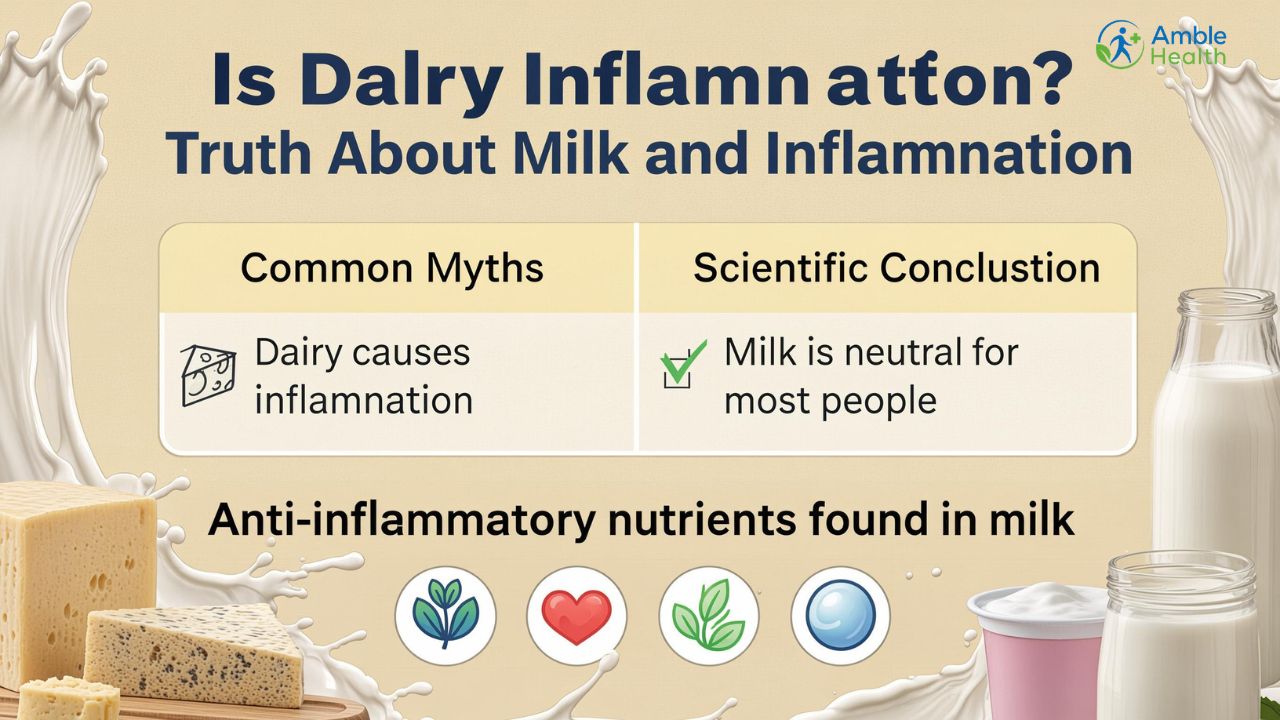
The short answer is no. Dairy is not universally inflammatory.
Research suggests dairy affects people differently depending on their individual biology. For some people, dairy products can trigger inflammatory responses. For others, dairy may have neutral or even anti-inflammatory effects.
Why Reactions Differ Between People
Several factors influence how dairy impacts the body:
Genetics
Some populations digest dairy more efficiently because they continue producing lactase—the enzyme needed to break down lactose—into adulthood.
Gut Health
A healthy gut microbiome can improve tolerance to dairy foods, especially fermented options like yogurt and kefir.
Allergies vs. Intolerances
A dairy allergy triggers an immune response, while lactose intolerance mainly causes digestive discomfort.
Type of Dairy Consumed
Highly processed dairy products may affect the body differently than minimally processed or fermented dairy foods.

The Science Behind Dairy and Inflammation
Scientific studies on dairy and inflammation have produced mixed results, but many high-quality reviews suggest dairy is not inherently inflammatory for most healthy individuals.
Studies Showing Neutral or Anti-Inflammatory Effects
Several clinical studies found that dairy consumption did not increase inflammatory markers in healthy adults. In some cases, yogurt and fermented dairy products were associated with lower inflammation levels.
Potential reasons include:
- Calcium content
- Probiotics in fermented dairy
- Protein quality
- Bioactive peptides
Fermented dairy may support beneficial gut bacteria, which can help regulate immune responses.
When Dairy May Increase Inflammation
There are situations where dairy can contribute to inflammation-like symptoms, especially in people with:
- Milk allergies
- Lactose intolerance
- Acne-prone skin
- Certain autoimmune conditions
- Dairy protein sensitivity
In these cases, symptoms may improve after reducing or eliminating dairy intake.
Dairy Allergy vs. Lactose Intolerance
Many people confuse dairy allergy with lactose intolerance, but they are very different conditions.
Dairy Allergy
A milk allergy involves the immune system reacting to proteins like casein or whey.
Symptoms may include:
- Hives
- Swelling
- Wheezing
- Vomiting
- Severe allergic reactions
This condition can absolutely trigger inflammation because the immune system is actively responding to the food.
Lactose Intolerance
Lactose intolerance happens when the body lacks enough lactase enzyme to digest lactose sugar.
Symptoms commonly include:
- Gas
- Bloating
- Diarrhea
- Stomach cramps
While uncomfortable, lactose intolerance does not necessarily mean dairy causes systemic inflammation.
Which Dairy Foods Are Most Problematic?
Not all dairy products affect the body the same way.
Processed Dairy Products
Highly processed dairy foods often contain:
- Added sugars
- Artificial ingredients
- Stabilizers
- Excess sodium
Examples include:
- Sweetened flavored yogurt
- Processed cheese slices
- Ice cream with additives
- Dairy desserts
These products may contribute indirectly to inflammation due to their overall nutritional profile.
Full-Fat vs. Low-Fat Dairy
For years, low-fat dairy was promoted as healthier. However, newer research suggests full-fat dairy may not be as harmful as previously believed.
Some studies even show fermented full-fat dairy may support metabolic health.
The key is moderation and choosing minimally processed options.
Fermented Dairy Products
Fermented dairy foods are often easier to digest because bacteria partially break down lactose.
Examples include:
- Yogurt
- Kefir
- Aged cheese
These foods may support gut health and reduce inflammatory responses in some people.
Is Dairy Inflammatory for Arthritis?
Many people with arthritis wonder whether dairy worsens joint pain.
Rheumatoid Arthritis
Some individuals with rheumatoid arthritis report symptom improvement after removing dairy, but research findings remain inconsistent.
Potential triggers may include:
- Food sensitivities
- Immune reactions
- Individual gut responses
However, dairy elimination does not help everyone with arthritis.
Osteoarthritis
There is limited evidence that dairy directly worsens osteoarthritis. In fact, calcium and protein from dairy may help support bone health.
The best approach is personalized observation rather than assuming dairy is harmful.
Dairy and Acne: Is There a Link?
One area where dairy has shown a stronger connection to inflammation-related symptoms is acne.
How Dairy May Affect Skin
Researchers believe dairy may influence hormones related to oil production and skin inflammation.
Possible mechanisms include:
- Increased insulin-like growth factor 1 (IGF-1)
- Hormonal stimulation
- Increased sebum production
Skim milk appears more strongly associated with acne than fermented dairy products like yogurt.
Still, not everyone experiences skin problems from dairy.
Can Dairy Affect Gut Health?
Gut health plays a major role in inflammation levels throughout the body.
Beneficial Effects of Fermented Dairy
Fermented dairy foods contain probiotics that may:
- Improve digestion
- Support microbiome diversity
- Strengthen gut barrier function
Healthy gut bacteria can help regulate inflammation and immune responses.
When Dairy Disrupts Digestion
People sensitive to dairy proteins or lactose may experience:
- Bloating
- Gas
- Diarrhea
- Abdominal discomfort
Repeated digestive stress can contribute to ongoing inflammation-like symptoms.
Is Dairy Inflammatory in Autoimmune Diseases?
Autoimmune conditions involve an overactive immune response, so diet often becomes a major concern.
Conditions Sometimes Linked to Dairy Sensitivity
Some people with autoimmune disorders report improvements after reducing dairy intake, including those with:
- Hashimoto’s thyroiditis
- Lupus
- Psoriasis
- Multiple sclerosis
However, evidence remains highly individualized.
There is currently no universal recommendation requiring all autoimmune patients to eliminate dairy.
Elimination Diets Can Help Identify Triggers
Doctors or dietitians sometimes recommend temporary elimination diets to determine whether dairy worsens symptoms.
A structured approach usually involves:
- Removing dairy for several weeks
- Monitoring symptoms
- Reintroducing dairy gradually
- Tracking reactions
This method provides more reliable answers than guessing.
Nutrients You May Miss Without Dairy
Eliminating dairy without planning carefully can create nutrient gaps.
Important Nutrients Found in Dairy
Dairy provides several key nutrients:
- Calcium
- Vitamin D
- Protein
- Potassium
- Vitamin B12
These nutrients support:
- Bone strength
- Muscle function
- Nerve health
- Immune balance
Non-Dairy Alternatives
If dairy does not work for your body, you can still meet nutritional needs through:
- Fortified plant milks
- Sardines
- Leafy greens
- Tofu
- Almonds
- Beans
- Chia seeds
Choosing nutrient-rich replacements is essential.
How to Tell If Dairy Is Affecting You
Because dairy responses are highly individual, self-awareness matters more than internet trends.
Signs Dairy Might Not Agree With You
Possible signs include:
- Persistent bloating
- Acne flare-ups
- Sinus congestion
- Digestive discomfort
- Skin irritation
- Fatigue after dairy consumption
These symptoms don’t automatically prove dairy is the problem, but they may justify further investigation.
Keep a Food and Symptom Journal
Tracking meals and symptoms for several weeks can reveal patterns you might otherwise miss.
Pay attention to:
- Type of dairy consumed
- Portion size
- Timing of symptoms
- Severity of reactions
This approach helps identify whether certain dairy products are more problematic than others.
Best Dairy Choices for Lower Inflammation
If you tolerate dairy well, some options are generally considered better choices.
Greek Yogurt
Greek yogurt offers:
- Protein
- Probiotics
- Calcium
Unsweetened versions are typically healthier than flavored options loaded with sugar.
Kefir
Kefir contains diverse probiotic strains that may support digestion and gut health.
Aged Cheese
Aged cheeses often contain less lactose, making them easier to digest for some people.
Examples include:
- Parmesan
- Cheddar
- Swiss cheese
Grass-Fed Dairy
Some evidence suggests grass-fed dairy contains higher levels of omega-3 fatty acids and beneficial compounds.
While not a miracle food, it may offer nutritional advantages.
Foods That Cause More Inflammation Than Dairy
Dairy often gets blamed while more problematic foods are ignored.
Highly Processed Foods
Many ultra-processed foods contribute more significantly to chronic inflammation, including:
- Sugary beverages
- Fried foods
- Refined carbohydrates
- Processed meats
- Artificial trans fats
Focusing only on dairy while ignoring overall diet quality misses the bigger picture.
Lifestyle Factors Matter Too
Inflammation is influenced by more than food alone.
Important factors include:
- Sleep quality
- Stress management
- Physical activity
- Smoking
- Alcohol intake
A holistic approach usually works better than obsessing over one ingredient.
Should You Stop Eating Dairy?
There is no one-size-fits-all answer.
You May Benefit From Reducing Dairy If:
- You have a confirmed milk allergy
- You consistently experience symptoms after consuming dairy
- Your doctor recommends an elimination trial
- You have lactose intolerance
You May Not Need to Avoid Dairy If:
- You digest it comfortably
- You experience no symptoms
- You enjoy fermented dairy products
- Dairy helps you meet nutritional needs
Blanket statements about dairy being “toxic” or universally inflammatory are not supported by science.
Common Myths About Dairy and Inflammation
Myth 1: All Dairy Causes Inflammation
This is false. Research shows dairy responses vary widely between individuals.
Myth 2: Milk Always Increases Mucus
Scientific evidence does not strongly support the idea that milk increases mucus production in most people.
Myth 3: Plant-Based Alternatives Are Always Healthier
Some plant-based milks contain large amounts of sugar and additives. Reading labels matters.
Myth 4: Dairy Is Necessary for Strong Bones
Dairy can help support bone health, but it is not the only source of calcium or vitamin D.
FAQ
Frequently Asked Questions
Is dairy inflammatory for most people?
No. Most research suggests dairy is neutral or even anti-inflammatory for many healthy individuals, especially fermented dairy products.
Can dairy cause joint pain?
Some people with sensitivities or autoimmune conditions report increased joint discomfort after consuming dairy, but this does not happen to everyone.
Is yogurt inflammatory?
Unsweetened yogurt is generally considered less inflammatory than heavily processed dairy products because it contains probiotics that support gut health.
Does dairy worsen acne?
Dairy may worsen acne in some individuals, particularly skim milk, possibly due to hormonal effects and inflammation pathways.
What dairy products are easiest to digest?
Fermented dairy products like kefir, yogurt, and aged cheese are often easier to digest because they contain less lactose.
Should people with lactose intolerance avoid all dairy?
Not necessarily. Many lactose-intolerant individuals can tolerate small amounts of certain dairy products, especially fermented or aged varieties.
Is cheese inflammatory?
Cheese affects people differently. Processed cheese products may be less healthy, while moderate amounts of aged cheese may be tolerated well.
Can removing dairy reduce inflammation?
For people with sensitivities or allergies, removing dairy may improve symptoms. For others, eliminating dairy may provide little benefit.
Is dairy inflammatory in autoimmune disease?
Some autoimmune patients report symptom relief after reducing dairy, but evidence remains individualized and inconsistent.
Are plant-based milks better than dairy milk?
It depends on the product and the individual. Some plant-based alternatives are nutritious, while others contain added sugars and fillers.
Conclusion
The debate around whether dairy causes inflammation is far more nuanced than many headlines suggest. For some people, dairy can trigger digestive discomfort, skin problems, or inflammatory symptoms—especially when allergies or intolerances are involved. For others, dairy foods like yogurt and kefir may actually support gut health and overall wellness.
Instead of assuming dairy is automatically harmful, it’s more useful to pay attention to your own body, overall diet quality, and lifestyle habits. The healthiest approach is usually balanced, personalized, and based on evidence rather than extremes.