
The aged population has been growing rapidly in recent years in the U.S. According to Statista, in 2026, around 19.2% of the American population is aged 65 and older. This number may climb to 22.8% by 2050. In comparison, seniors represented merely 8% of the population back in 1950.
Aging is a natural part of life, and it brings new opportunities to focus on your health and well-being. At the same time, growing older brings about its fair share of physical and mental shifts. The decisions you make every day can greatly affect your overall functionality.
Healthy living is about making consistent decisions that help you maintain strength, mobility, independence, and a positive outlook. This article shares some useful tips for healthy living that are especially beneficial for older adults.
Begin With the Basics
Good health starts with the fundamentals, especially as you get older. A holistic approach to health, according to a ResearchGate study, entails looking beyond a single aspect of wellness. It’s about how proper nutrition, regular exercise, good sleep, and effective stress management all come together to create a healthy and fulfilling life.
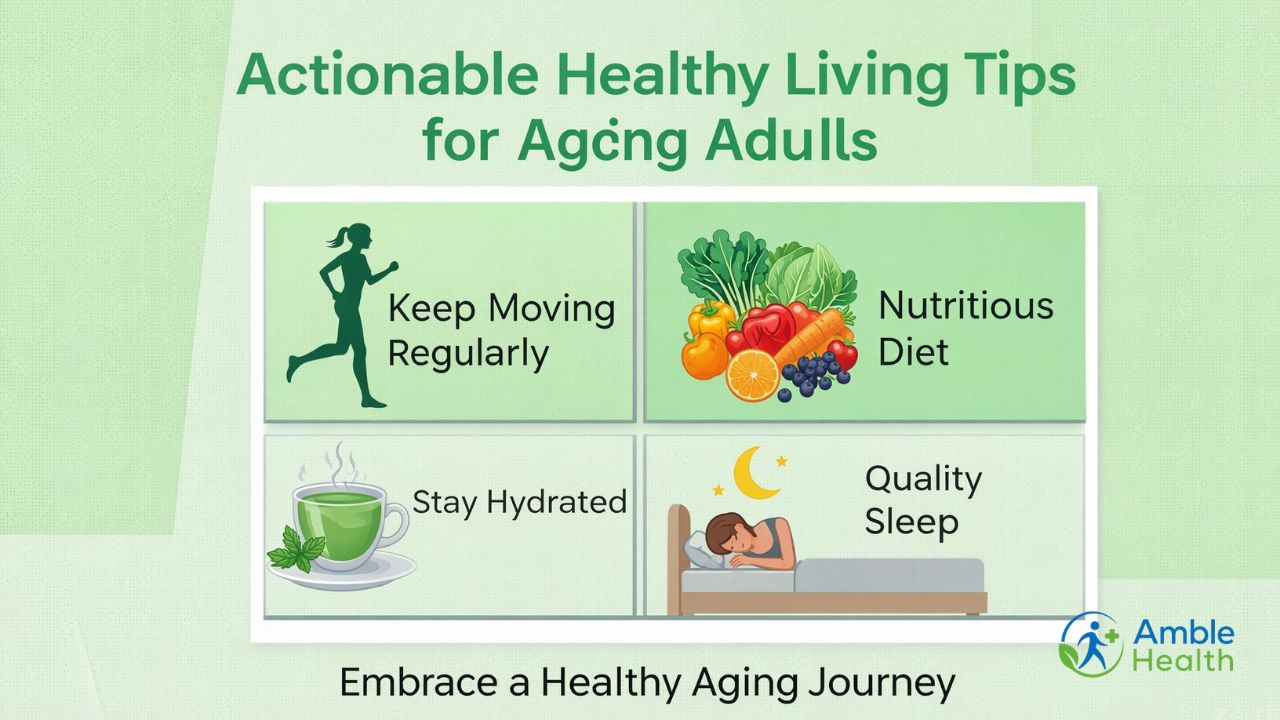
A balanced diet is a great foundation for healthy aging from the inside out. Focusing on nutrient-rich foods is key to a balanced diet. Consider filling your plate with a colorful array of fruits, vegetables, whole grains, lean proteins, and healthy fats.
Staying active is equally important for keeping your mobility, balance, and muscle strength. Even light activities like walking, stretching, or some easy strength training can make a real difference.
Getting enough rest and quality sleep is just as crucial. Giving your body enough time to recover helps improve mood, supports brain function, and promotes better physical health. When you consistently prioritize these basics, you build a strong foundation for a healthier and more active life.
Invest in Preventive Care
One of the most effective ways to support healthy aging is to make preventive care a regular part of your life. Instead of sitting back and waiting for health issues to crop up, take proactive measures to check your well-being. Schedule routine checkups, screenings, and recommended vaccinations to help detect potential issues early. Early identification can prevent minor concerns from becoming serious health challenges.
Preventive care is all about being aware of how your body is changing. You must have open conversations with your healthcare provider about any worries you might have. Regular checkups like eye exams, hearing tests, and blood pressure monitoring play a crucial role in keeping you healthy as you get older. Staying informed can help reduce health risks, allow you to maintain your independence, and bring you a sense of peace.
As stated by Dr. Daniel Sanchez Pellecer, the main objective of preventive health in older adults is improving their quality of life. At the same time, it can reduce cost, not just for patients, but also for the healthcare system. Investing in preventive care today can contribute to a healthier, more active, and fulfilling future.
Prioritize Mental Health
Taking care of your mental health is just as important as caring for your physical well-being as you age. Your emotional and cognitive health play a major role in your overall quality of life. It influences everything from your relationships to your ability to manage daily activities.
Healthcare professionals, especially nurses, can play a valuable role in supporting your mental well-being. Many pursue specialized credentials, such as psychiatric nurse practitioners, to help people deal with mental health issues. Through mental health NP online degree programs, they develop advanced skills in mental health assessment, counseling, patient education, and treatment planning.
According to Cleveland State University, this program combines higher education with hands-on experience. It equips nurses to support individuals in the community who need assistance. Their expertise can help you better manage mental health challenges and maintain emotional resilience as you age. Moreover, prioritizing your mental health can help you stay resilient and positive, enabling you to enjoy the later years of life.
Avoid Too Many Medications
As you age, it is common to take medications for different health conditions. However, using too many medications at the same time can increase the risk of side effects. The Washington Post highlights that the combination of many drugs, known as polypharmacy, can be perilous at any age. It’s especially risky for older individuals, who typically have several health conditions and may not metabolize medications.
It is important to understand why you are taking each medication and to follow your healthcare provider’s instructions carefully. Never start, stop, or change a medication without professional guidance. Also, review your medications regularly with your doctor or pharmacist. It includes prescription drugs, over-the-counter products, vitamins, and herbal supplements.
A medication review can help identify treatments that may no longer be necessary or alternatives that are safer and more effective. Keeping an updated list of everything you take can also improve communication with healthcare providers. Managing medications wisely can reduce unnecessary risks and support your overall health and well-being as you grow older.
FAQs
How do the right habits ensure longevity?
The right habits support longevity by helping you maintain physical health, mental well-being, and independence as you age. Eating nutritious foods, staying active, getting enough sleep, managing stress, and attending regular health checkups can improve quality of life. Over time, these consistent choices contribute to healthier aging.
Why should seniors build social connections?
Seniors should build social connections because they help reduce loneliness, improve emotional well-being, and support mental health. Staying connected with family, friends, or community groups encourages a sense of belonging and purpose. Strong relationships can also boost cognitive health and make daily life more enjoyable, active, and fulfilling overall.
How can isolation affect the mental health of seniors?
Isolation can negatively affect seniors by increasing feelings of loneliness, sadness, and anxiety. Over time, it may contribute to depression, memory decline, and reduced motivation to stay active or engaged. Lack of social interaction can also impact physical health, making it harder to maintain a positive outlook and overall well-being.
Quick Facts on Healthy Aging
| Statistic/Fact | Data |
| Americans aged 65+ (2026) | 19.2% of population |
| Projected Americans aged 65+ (2050) | 22.8% of population |
| Americans aged 65+ (1950) | 8% of population |
| Key Focus Areas | Nutrition, Exercise, Sleep, Mental Health, Preventive Care |
Healthy aging is about staying intentional with your choices and listening to what your body and mind need over time. When you approach each day with care and consistency, you create a stronger sense of balance and confidence in your lifestyle.
Small, thoughtful decisions can shape how comfortably and actively you move through later years. By staying mindful and adaptable, you give yourself the best chance to enjoy a more stable, fulfilling, and meaningful life as you continue to age.