
Introduction
Hormones influence nearly every part of your daily life—from mood and energy levels to sleep, digestion, skin health, and menstrual cycles. When things feel off, many people start looking for natural ways to support their bodies, and that’s where seed cycling often enters the conversation.
At first glance, the idea sounds almost too simple: eating specific seeds during different phases of the menstrual cycle to support hormone balance naturally. Yet this practice has gained attention among wellness experts, nutrition enthusiasts, and individuals seeking holistic approaches to menstrual health.
What makes this topic so compelling is that it combines nutrition, cycle awareness, and mindful eating into one approachable habit. While research on the practice is still evolving, many people report improvements in symptoms like PMS, irregular periods, mood swings, and low energy after incorporating it consistently.
Whether you’re completely new to the concept or curious about how it actually works, this guide breaks down everything you need to know in a practical, realistic, and evidence-informed way.


7
What Is Seed Cycling?
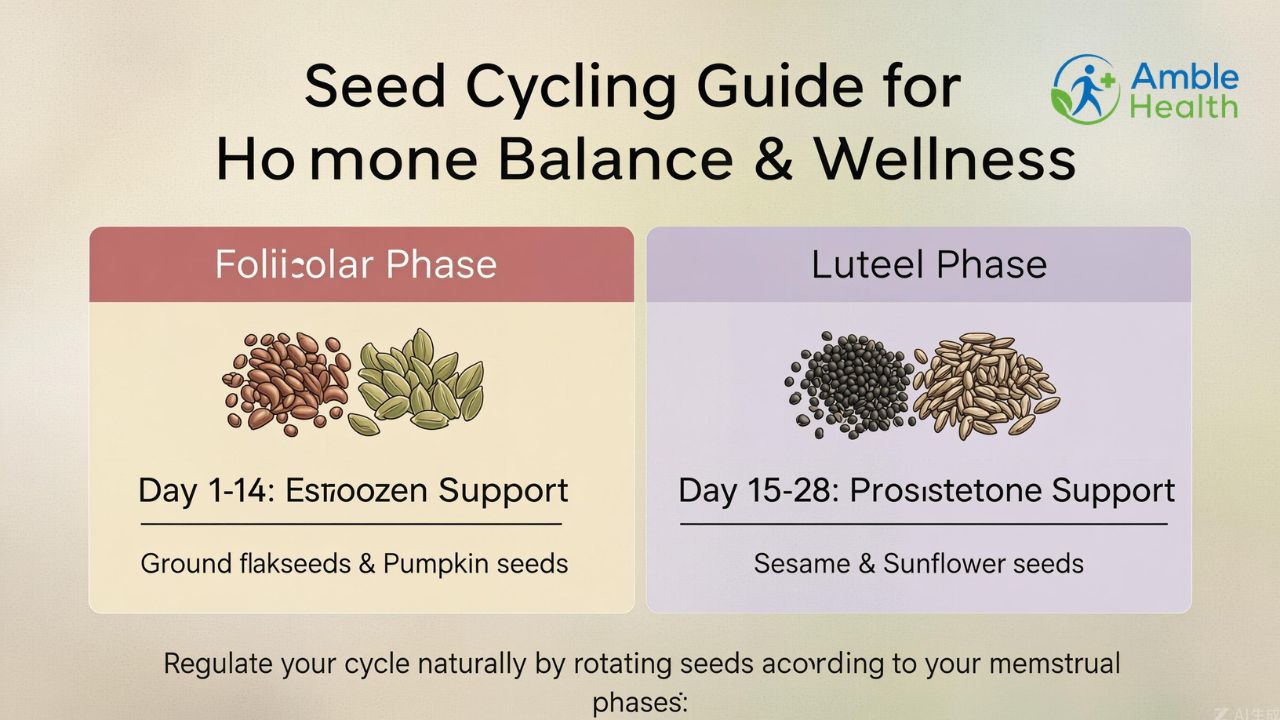
Seed cycling is a nutritional practice that involves eating different types of seeds during the two main phases of the menstrual cycle.
The approach typically follows this pattern:
Follicular Phase Seeds
From the first day of menstruation until ovulation, people commonly consume:
- Flax seeds
- Pumpkin seeds
Luteal Phase Seeds
From ovulation until the start of the next period, the recommended seeds usually include:
- Sunflower seeds
- Sesame seeds
The theory behind this approach is that the nutrients found in these seeds may help support estrogen and progesterone balance throughout the cycle.
While it’s not considered a medical treatment, many nutrition-focused wellness practitioners view it as a supportive dietary habit that complements a balanced lifestyle.
Why Hormone Balance Matters
Hormones act as the body’s chemical messengers. Even small imbalances can affect physical and emotional well-being.
Common signs of hormonal imbalance may include:
- Irregular menstrual cycles
- Fatigue
- Mood swings
- Acne
- Poor sleep
- PMS symptoms
- Low libido
- Weight fluctuations
- Brain fog
Because hormones are connected to nutrition, stress, sleep, and metabolism, dietary strategies often play a role in overall hormone support.
Certain seeds contain nutrients like:
- Zinc
- Selenium
- Omega-3 fatty acids
- Vitamin E
- Lignans
- Magnesium
These nutrients are associated with hormone production, inflammation regulation, and reproductive health.
How Seed Cycling Works
The menstrual cycle naturally shifts hormone levels throughout the month. The goal of seed cycling is to provide nutritional support during those changing phases.
The Follicular Phase
This phase begins on day one of menstruation and continues until ovulation.
During this time, estrogen gradually rises. Flax and pumpkin seeds are commonly recommended because they contain compounds believed to support healthy estrogen metabolism.
Flax Seeds
Flax seeds are rich in:
- Lignans
- Fiber
- Omega-3 fatty acids
Lignans are plant compounds that may help regulate estrogen activity in the body.
Pumpkin Seeds
Pumpkin seeds provide:
- Zinc
- Magnesium
- Healthy fats
Zinc plays a role in reproductive hormone production and immune function.


The Luteal Phase
After ovulation, progesterone becomes the dominant hormone.
Sunflower and sesame seeds are commonly used during this phase because they contain nutrients associated with progesterone support.
Sunflower Seeds
Sunflower seeds contain:
- Vitamin E
- Selenium
- Healthy fats
Vitamin E may help support hormone health and reduce inflammation.
Sesame Seeds
Sesame seeds are rich in:
- Lignans
- Calcium
- Iron
Some research suggests sesame lignans may influence estrogen metabolism.
Potential Benefits of Seed Cycling
Although scientific studies specifically examining this practice are limited, many people report noticeable improvements after several months of consistency.
May Support More Regular Cycles
Some individuals experience fewer irregularities in cycle length and timing when combining nutrient-dense foods with healthy lifestyle habits.
Could Reduce PMS Symptoms
The seeds involved contain magnesium, zinc, and omega-3 fats, which are associated with mood regulation and inflammation support.
People often report improvements in:
- Cramping
- Bloating
- Irritability
- Breast tenderness
Supports Nutrient Intake
Even aside from hormonal health, the seeds used in seed cycling are highly nutritious.
They contribute:
- Plant protein
- Fiber
- Healthy fats
- Antioxidants
- Minerals
Encourages Cycle Awareness
One overlooked benefit is increased body awareness.
Tracking menstrual phases often helps people better understand patterns related to mood, energy, appetite, and sleep.
Is There Scientific Evidence Behind It?
The science behind seed cycling is still emerging.
Currently, there are few large-scale clinical studies directly evaluating the practice as a whole. However, research does support many of the nutritional benefits associated with the individual seeds involved.
For example:
- Flax seeds have been studied for estrogen metabolism support.
- Zinc plays a role in reproductive health.
- Vitamin E may help reduce menstrual discomfort.
- Omega-3 fatty acids are associated with reduced inflammation.
That said, it’s important to maintain realistic expectations. Nutrition can support overall wellness, but it is not a guaranteed cure for hormonal conditions.
Anyone dealing with severe symptoms should consult a qualified healthcare professional.
How to Start Seed Cycling
Getting started is surprisingly simple.
Most people consume 1–2 tablespoons of freshly ground seeds daily.
Typical Schedule
Days 1–14 (Follicular Phase)
- 1 tablespoon flax seeds
- 1 tablespoon pumpkin seeds
Days 15–28 (Luteal Phase)
- 1 tablespoon sesame seeds
- 1 tablespoon sunflower seeds
If your cycle is irregular or absent, some practitioners recommend following the lunar cycle instead.
Why Ground Seeds Matter
Whole seeds may pass through digestion without being fully absorbed.
Grinding seeds can improve nutrient availability and digestion.
Freshly ground seeds are generally preferred for maximum freshness and nutrient retention.
Easy Ways to Add Seeds to Your Diet
Consistency matters more than perfection.
Fortunately, these seeds are easy to incorporate into everyday meals.
Smoothies
Add ground seeds to:
- Berry smoothies
- Green smoothies
- Protein shakes
Yogurt Bowls
Sprinkle seeds over:
- Greek yogurt
- Coconut yogurt
- Oatmeal
Salads
Seeds add crunch and nutrition to salads and grain bowls.
Homemade Energy Bites
Mix seeds with:
- Dates
- Nut butter
- Oats
- Cocoa powder
Baking
Ground seeds can be added to:
- Muffins
- Pancakes
- Homemade bread


5
Common Mistakes to Avoid
Like many wellness practices, balance and consistency are important.
Expecting Instant Results
Hormonal changes take time.
Many people practice seed cycling consistently for at least 2–3 months before noticing meaningful differences.
Ignoring Overall Lifestyle Habits
Seeds alone cannot compensate for:
- Chronic stress
- Poor sleep
- Excessive alcohol consumption
- Nutrient deficiencies
Hormone health is multifaceted.
Using Rancid Seeds
Seeds contain delicate fats that can spoil over time.
Store them in airtight containers in the refrigerator for freshness.
Overcomplicating the Process
It doesn’t need to be perfect.
Missing a day occasionally is unlikely to ruin the entire practice.
Who Might Benefit Most?
This approach may appeal to people interested in natural wellness strategies, especially those focused on menstrual health and nutrition.
Some individuals who explore seed cycling include:
- People with PMS symptoms
- Those tracking menstrual cycles
- Individuals interested in holistic wellness
- People transitioning off hormonal birth control
- Wellness-focused nutrition enthusiasts
However, results vary significantly from person to person.
Who Should Be Cautious?
Although the seeds themselves are generally healthy foods, certain people should speak with a healthcare professional before making significant dietary changes.
This may include individuals with:
- Hormone-sensitive medical conditions
- Severe menstrual disorders
- Seed allergies
- Digestive disorders
- Specific dietary restrictions
Pregnant or breastfeeding individuals should also consult a qualified provider before beginning new wellness protocols.
Seed Cycling and Menopause
Interestingly, some people continue using seed cycling during perimenopause and menopause.
During these stages, hormone fluctuations can contribute to symptoms such as:
- Hot flashes
- Mood changes
- Sleep disturbances
- Low energy
Because the seeds used contain healthy fats and phytoestrogens, some individuals feel they help support overall well-being during hormonal transitions.
Scientific evidence remains limited, but nutrient-rich foods can still play a supportive role in healthy aging.
Can You Do Seed Cycling While on Birth Control?
This is a common question.
Hormonal birth control suppresses the body’s natural ovulation cycle, which means the hormonal fluctuations targeted by seed cycling may not occur in the same way.
That doesn’t necessarily mean the seeds are unhealthy. They still provide valuable nutrients and fiber. However, the practice may not function exactly as intended while hormonal contraceptives are actively regulating the cycle.
Best Practices for Success
If you want to make the experience more effective and sustainable, focus on consistency and simplicity.
Track Your Cycle
Apps and journals can help monitor:
- Symptoms
- Mood
- Energy levels
- Menstrual timing
Prioritize Whole Foods
A nutrient-rich diet supports overall hormone health far beyond any single wellness trend.
Stay Hydrated
Fiber-rich seeds work best alongside proper hydration.
Manage Stress
Chronic stress can significantly influence hormone balance.
Practices like:
- Walking
- Meditation
- Yoga
- Adequate sleep
may support overall wellness.
FAQs
Frequently Asked Questions
How long does seed cycling take to work?
Many people report noticing changes after 2–3 months of consistent practice. Results vary depending on lifestyle, nutrition, and overall health.
Can men try seed cycling?
Although the practice is primarily discussed in relation to menstrual cycles, the seeds themselves are nutritious foods that anyone can enjoy.
Do I need organic seeds?
Organic seeds are often preferred to reduce pesticide exposure, but the most important factor is freshness and quality.
Should the seeds be raw or roasted?
Raw seeds are commonly recommended because roasting may slightly reduce certain nutrients.
Can seed cycling help with acne?
Some people believe hormonal support may indirectly improve hormone-related acne, though scientific evidence remains limited.
What if I have irregular periods?
People with irregular cycles sometimes follow moon phases instead of menstrual phases when practicing seed cycling.
Can I combine all the seeds together?
Traditional methods separate seeds according to cycle phases, but combining them occasionally is unlikely to cause harm.
Is seed cycling safe every day?
For most healthy individuals, consuming moderate amounts of seeds daily is generally considered safe as part of a balanced diet.
Do I have to grind the seeds?
Ground seeds are typically recommended because they are easier to digest and may improve nutrient absorption.
Can seed cycling replace medical treatment?
No. Persistent hormonal symptoms should always be evaluated by a healthcare professional.
Conclusion
Hormone health is deeply personal, and there’s rarely a one-size-fits-all solution. What makes seed cycling appealing is its simplicity: it encourages mindful eating, cycle awareness, and nutrient-rich food choices without requiring extreme restrictions or complicated routines.
While research specifically on the practice is still developing, the individual seeds involved offer valuable nutrients that support overall wellness. For many people, incorporating these foods becomes less about chasing perfection and more about creating sustainable habits that feel nourishing and supportive.
The key is approaching the practice with realistic expectations, patience, and curiosity about how your body responds over time. Combined with balanced nutrition, stress management, movement, and quality sleep, small daily habits can contribute to a healthier relationship with your body and overall well-being.