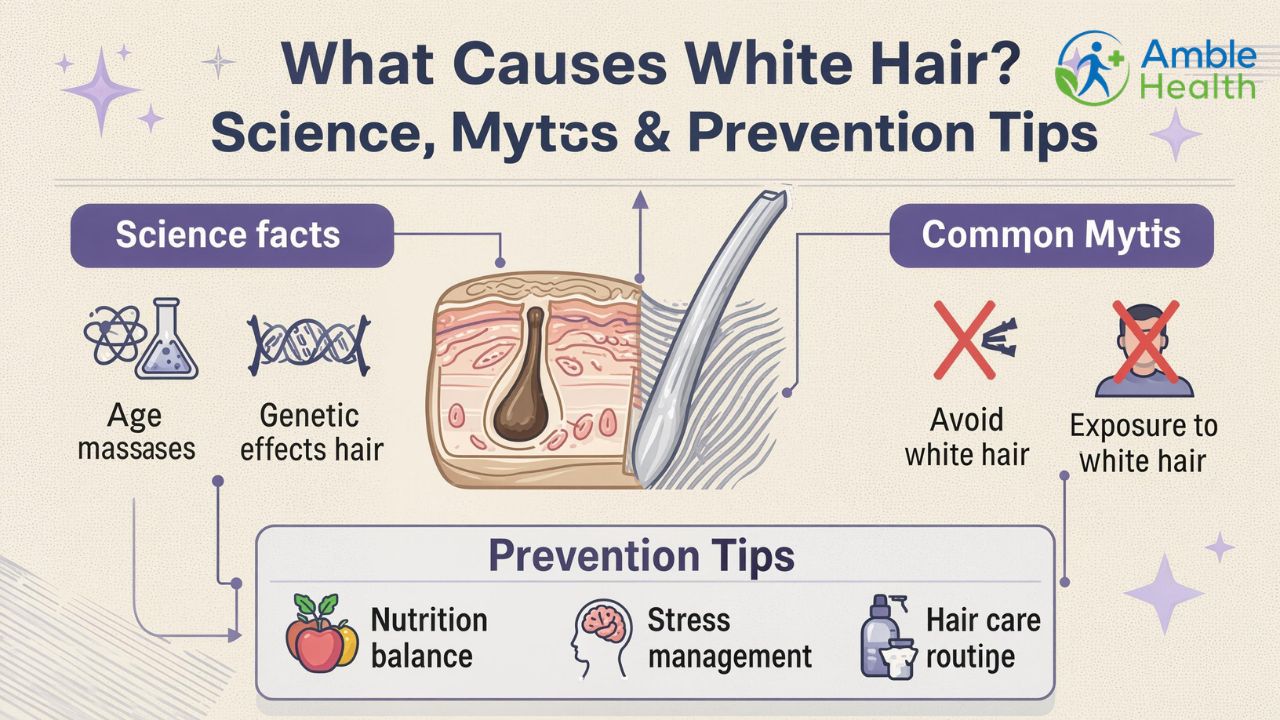

Introduction
Few things catch us off guard quite like spotting the first strand of white hair in the mirror. One day your hair looks perfectly normal, and the next, a silvery strand appears out of nowhere, making you wonder: what causes white hair in the first place?
For some people, graying starts in their twenties, while others keep their natural color well into their fifties. The timing can feel mysterious, and the internet is full of conflicting advice, myths, and miracle cures. Understanding why hair loses its pigment matters because it can reveal a lot about aging, genetics, nutrition, stress levels, and overall health.
The good news is that white hair is completely natural. In many cases, it’s simply part of the body’s biological clock. But in other situations, premature graying may be connected to lifestyle habits or underlying health conditions that deserve attention. <img src=”https://images.unsplash.com/photo-1521572267360-ee0c2909d518″ alt=”Person examining first gray hair in mirror” />
Understanding Hair Pigment and Color
Hair gets its color from a pigment called melanin. Specialized cells known as melanocytes produce this pigment inside hair follicles. The amount and type of melanin determine whether your hair appears black, brown, blonde, red, or somewhere in between.
There are two primary forms of melanin:
- Eumelanin – responsible for black and brown shades
- Pheomelanin – responsible for red and yellow tones
As hair grows, melanocytes continuously transfer pigment into the hair shaft. Over time, these cells gradually slow down or stop functioning altogether. When pigment production declines significantly, hair begins to appear gray, silver, or white.
White hair occurs when melanin production stops completely. Gray hair happens when pigmented and non-pigmented hairs mix together, creating a salt-and-pepper appearance.
The Hair Growth Cycle
Hair doesn’t grow continuously forever. Each strand goes through a repeating cycle:
- Anagen phase – active growth
- Catagen phase – transitional stage
- Telogen phase – resting and shedding phase
Every time a new hair grows, melanocytes must restart pigment production. With age, these cells become less effective, leading to reduced color over time.
Genetics: The Biggest Factor Behind White Hair
If you’ve ever wondered why some people gray early while others don’t, genetics is usually the answer. Your DNA largely determines when melanocyte activity begins to slow down.
Researchers have identified several genes linked to hair pigmentation and graying. One of the most studied is the IRF4 gene, which influences melanin production and storage.
Family History Matters
If your parents or grandparents developed white hair early, there’s a strong chance you may too. Genetics influence:
- The age graying begins
- The speed of graying
- The pattern of white hair growth
- Overall hair texture changes
People of different ethnic backgrounds also tend to gray at different ages:
- Caucasians often begin graying in their mid-30s
- Asians typically gray in their late 30s
- African populations often gray later, around the mid-40s
This variation further highlights the role genetics play in determining hair pigmentation patterns. <img src=”https://images.unsplash.com/photo-1517832606299-7ae9b720a186″ alt=”Close-up of gray and black hair strands” />
Aging and Cellular Changes
Aging is one of the most common answers to what causes white hair. As the body ages, cellular repair processes become less efficient, including those responsible for maintaining hair color.
Loss of Melanocyte Stem Cells
Hair follicles contain melanocyte stem cells that replenish pigment-producing cells. Over time, these stem cells become depleted. Without them, new hairs grow without pigment.
Scientists believe oxidative stress also contributes to this process. Free radicals damage cells over time, including melanocytes. The body naturally produces antioxidants to counter this damage, but antioxidant defenses weaken with age.
Hydrogen Peroxide Build-Up
Interestingly, hair follicles naturally produce small amounts of hydrogen peroxide. In younger individuals, enzymes break it down effectively. As aging progresses, these enzymes decline, allowing hydrogen peroxide to accumulate and bleach hair from within.
This internal bleaching process is one reason hair gradually loses color.
Can Stress Really Cause White Hair?
Stress has long been blamed for sudden graying, and modern research suggests there may be truth behind the idea.
How Stress Affects Hair Pigment
Severe stress activates the body’s “fight or flight” response. This response releases stress hormones such as norepinephrine, which can affect melanocyte stem cells in hair follicles.
Some studies suggest chronic stress may accelerate depletion of these cells, leading to premature graying.
Stress-related triggers may include:
- Emotional trauma
- Chronic anxiety
- Sleep deprivation
- Major life events
- Physical illness
However, stress alone rarely causes hair to turn white overnight. The process is usually gradual, though stressful periods may speed it up.
The Myth of Instant White Hair
Stories about hair turning white overnight are mostly exaggerated. In rare cases, autoimmune conditions or sudden hair loss can create the illusion of rapid graying when darker hairs fall out, leaving lighter strands behind.
Nutritional Deficiencies and White Hair
Nutrition plays a larger role in hair health than many people realize. Certain vitamin and mineral deficiencies may contribute to premature graying.
Vitamin B12 Deficiency
Low vitamin B12 levels are strongly associated with early white hair. B12 supports red blood cell formation and healthy oxygen delivery throughout the body, including hair follicles.
Symptoms of deficiency may include:
- Fatigue
- Weakness
- Tingling sensations
- Memory issues
- Pale skin
Iron Deficiency
Iron helps transport oxygen to tissues. Without enough iron, hair follicles may weaken and pigment production may decline.
Copper Deficiency
Copper contributes to melanin formation. Low copper levels may interfere with pigmentation pathways and accelerate graying.
Other Important Nutrients
Hair pigmentation may also depend on adequate levels of:
- Zinc
- Vitamin D
- Folate
- Selenium
- Protein
A balanced diet rich in whole foods supports healthier hair growth and may slow premature graying in some individuals. <img src=”https://images.unsplash.com/photo-1490645935967-10de6ba17061″ alt=”Healthy foods linked to hair health infographic” />
Medical Conditions Linked to White Hair
Sometimes, premature white hair may signal an underlying medical condition. While graying is usually harmless, early or sudden changes can occasionally point to health issues.
Thyroid Disorders
Both hypothyroidism and hyperthyroidism may affect hair texture, growth, and pigmentation.
Common thyroid-related symptoms include:
- Weight fluctuations
- Fatigue
- Hair thinning
- Temperature sensitivity
- Mood changes
Autoimmune Diseases
Conditions such as vitiligo and alopecia areata can interfere with pigment-producing cells. In vitiligo, the immune system attacks melanocytes directly.
Pernicious Anemia
This autoimmune condition reduces vitamin B12 absorption and is often associated with premature graying.
Rare Genetic Conditions
Some inherited syndromes linked to early white hair include:
- Waardenburg syndrome
- Tuberous sclerosis
- Neurofibromatosis
Although rare, these conditions highlight the complex biology behind hair pigmentation.
Lifestyle Habits That May Accelerate Graying
While genetics dominate the process, lifestyle choices can influence how quickly white hair appears.
Smoking
Smoking is strongly linked to premature graying. Cigarette smoke increases oxidative stress and damages blood vessels supplying hair follicles.
Several studies show smokers are significantly more likely to develop gray hair earlier than non-smokers.
Poor Sleep
Consistently poor sleep may contribute to stress hormone imbalances and reduced cellular repair, potentially accelerating visible aging, including white hair.
Excessive Chemical Treatments
Frequent bleaching, coloring, and harsh chemical exposure may weaken hair structure and scalp health. While they don’t directly stop melanin production, they can damage hair quality and make graying appear more noticeable.
Environmental Pollution
Pollution exposes hair and skin to oxidative stress, which may indirectly affect follicle health over time.
Common Myths About White Hair
There are countless myths surrounding white hair, many of which have been passed down for generations.
Myth 1: Plucking One White Hair Causes More to Grow
This is false. Plucking a white hair only affects that specific follicle. However, repeated plucking can damage follicles and potentially reduce hair growth.
Myth 2: Only Older People Get White Hair
Premature graying can happen in teenagers and young adults, especially when genetics or nutritional deficiencies are involved.
Myth 3: White Hair Is Stronger
White hair often feels coarser because pigment changes alter texture slightly, but it isn’t necessarily stronger.
Myth 4: Stress Alone Is the Main Cause
Stress may contribute, but genetics and aging remain the primary factors.
Can White Hair Be Prevented?
Many people search for ways to stop or reverse white hair completely. While there’s no guaranteed cure, certain habits may support healthier pigmentation for longer.
what causes white hair and how to slow it down
The key to slowing premature graying lies in addressing controllable factors while accepting the natural aging process.
Eat a Nutrient-Rich Diet
Focus on foods rich in:
- Leafy greens
- Eggs
- Nuts and seeds
- Fish
- Beans
- Berries
- Whole grains
These foods provide antioxidants, vitamins, and minerals important for hair health.
Manage Stress
Stress management techniques may help reduce oxidative damage and hormone imbalances.
Helpful strategies include:
- Meditation
- Exercise
- Deep breathing
- Quality sleep
- Spending time outdoors
Quit Smoking
Stopping smoking improves circulation and reduces oxidative stress throughout the body, including the scalp.
Protect Hair from Damage
Gentle hair care routines can help maintain healthier strands:
- Avoid excessive heat styling
- Use sulfate-free shampoos
- Limit chemical processing
- Wear sun protection for hair when necessary
Natural Remedies for White Hair
Natural remedies are popular, though scientific evidence varies.
Curry Leaves
In some cultures, curry leaves are believed to support hair pigmentation due to their antioxidant content.
Amla (Indian Gooseberry)
Amla contains vitamin C and antioxidants that may support scalp health.
Coconut Oil Massage
Massaging the scalp with oils may improve circulation and hair conditioning, although it won’t fully reverse white hair.
Black Tea Rinse
Some people use black tea rinses to temporarily darken strands naturally.
These remedies may improve hair appearance and condition but are unlikely to permanently restore pigment once melanocytes stop functioning.
Medical Treatments and Emerging Research
Scientists continue exploring ways to better understand what causes white hair and whether pigmentation can be restored.
Antioxidant Therapies
Researchers are studying compounds that reduce oxidative stress within follicles.
Stem Cell Research
Future therapies may involve regenerating melanocyte stem cells to restore natural pigment production.
Topical Treatments
Some experimental treatments aim to reactivate pigment cells, though no universally effective solution currently exists.
For now, most treatments focus on cosmetic coverage rather than biological reversal.
Embracing White Hair With Confidence
White hair is no longer viewed solely as a sign of aging. Many people now embrace silver strands as symbols of wisdom, confidence, and individuality.
Celebrities, fashion trends, and changing beauty standards have helped normalize natural graying. Some individuals even dye their hair silver intentionally.
Tips for Maintaining White Hair
White hair can become dry or yellowish over time. Proper care helps maintain a healthier appearance.
Helpful maintenance tips include:
- Use purple shampoo occasionally
- Moisturize hair regularly
- Avoid excessive heat
- Protect hair from chlorine
- Trim regularly to reduce brittleness
With proper care, white hair can look vibrant, elegant, and stylish.
what causes white hair at an early age
When white hair appears unusually early, it’s often called premature graying.
Signs of Premature Graying
Premature graying is generally defined as:
- Before age 20 in Caucasians
- Before age 25 in Asians
- Before age 30 in African populations
Potential Causes
Early graying may be linked to:
- Genetics
- Chronic stress
- Smoking
- Nutritional deficiencies
- Autoimmune disorders
- Thyroid imbalances
If premature graying develops suddenly or alongside other symptoms, consulting a healthcare professional may help identify underlying issues.
FAQ
Is white hair permanent?
In most cases, yes. Once melanocyte activity stops completely, hair generally remains white. Rare exceptions may occur if graying was linked to reversible deficiencies or medical conditions.
Can vitamin supplements reverse white hair?
Supplements may help if graying is caused by nutritional deficiencies, especially vitamin B12 or iron deficiency. However, they cannot usually reverse genetically driven graying.
Why does white hair feel different?
White hair often feels coarser or drier because reduced melanin changes hair structure and oil production slightly.
Does stress directly cause white hair?
Stress may accelerate graying by affecting melanocyte stem cells, but it is usually not the sole cause.
Can children develop white hair?
Yes, although uncommon. Genetics, autoimmune conditions, or nutritional deficiencies may contribute to white hair in children.
Is it unhealthy to have white hair?
No. White hair itself is not harmful. It’s usually a natural biological change.
Can hair turn white after illness?
Severe illness or stress may contribute to accelerated graying in some people, especially if oxidative stress levels increase significantly.
Does plucking white hair damage follicles?
Occasional plucking usually won’t cause major harm, but repeated plucking may weaken or damage follicles over time.
Why does white hair sometimes appear yellow?
Environmental pollutants, heat, smoke, hard water, and product buildup can cause yellowing in white hair.
Are natural remedies effective for reversing white hair?
Natural remedies may improve hair health and appearance but generally cannot fully restore lost pigment.
Conclusion
White hair is a natural part of human biology, shaped largely by genetics and aging. Still, understanding what causes white hair can help people make informed choices about nutrition, stress management, and overall wellness. While no guaranteed method exists to completely stop graying, healthy habits may slow premature changes and improve hair quality over time.
Most importantly, white hair doesn’t diminish attractiveness or vitality. Whether you choose to color it, treat it, or embrace it naturally, silver strands are simply another chapter in the body’s evolving story.